Equipment Preparation Against Dust, Water, and Shift Load During Summer Heat
Summer operation reliability in mobile site equipment depends on monitoring engine cooling, applying a dust-specific filter strategy, managing fuel storage and daily refueling, controlling environmental risks in pumps and lighting towers, inspecting hoses, cables and connections, planning morning-evening shifts and preparing site redundancy for emergency shutdowns. When high temperature, dust load, fuel quality, operator endurance and critical equipment backup are managed together, failure risks decrease, energy efficiency improves and summer site operations become more sustainable.

Quick Gains for Energy Efficiency in Mobile Site Equipment
Energy efficiency in mobile site equipment depends on using the right-powered machine, reducing idle time, preventing unnecessary compressed-air pressure loss, matching lighting and generator loads, maintaining equipment regularly, monitoring key fleet indicators and reporting consumption by shift. When power demand, operator behavior, maintenance condition and real production data are tracked together, fuel consumption decreases, equipment life extends and total operating cost becomes more controllable.

How Is the Total Cost of Ownership Calculated for Construction Site Equipment?
Total cost of ownership in construction site equipment should be evaluated beyond the initial purchase price by including lifetime cost, fuel and energy expenses, maintenance and consumables, unplanned downtime, operator productivity, work area output, second-hand value and multi-criteria comparison tables. When investment decisions are based on long-term operational data rather than only the first quotation, equipment efficiency improves, financial risks decrease and site investments become more sustainable.

CE Certification, Periodic Inspection, and OHS Responsibilities in Construction Site Equipment
Regulatory and safety compliance in construction site equipment depends on correctly evaluating the CE mark, periodic inspections, operator training, instruction management, documentation discipline, risky usage scenarios, supplier-user responsibility separation and inspection-ready records together. When technical conformity is supported by regular maintenance, documented training and clear operational responsibility, equipment safety improves, audit preparation becomes easier and site risk management becomes more sustainable.

Why Can Original Spare Parts Reduce the Total Cost of Ownership?
Spare part quality in light construction machines directly affects equipment compatibility, performance, safety, service intervals, downtime costs, consumable reliability, warranty traceability and critical stock planning. When technically compatible, traceable and standards-compliant parts are used, recurring failures decrease, maintenance planning becomes more predictable, operational safety improves and total cost of ownership becomes more controllable.

How Is a Shift-Based Maintenance Routine Established for Light Construction Equipment?
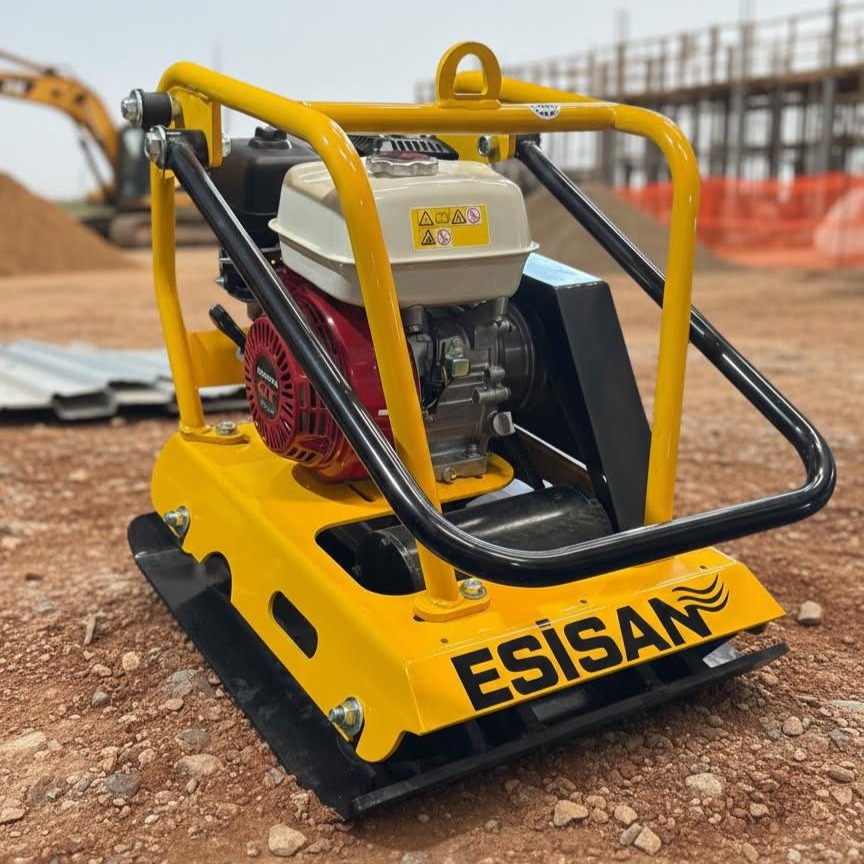
Shift-based maintenance in light construction machines depends on start-of-day visual inspections, consumable and fuel management, bolt discipline in vibratory equipment, cleaning frequency on dusty sites, operator feedback records, observational monitoring for machines without fault codes and a common maintenance form. When these routines are standardized, small failure signs are detected earlier, unplanned downtime decreases, equipment reliability increases and site operations become more sustainable.

Signs of Wear in Pumps and Key Intervention Points Before Failures Escalate
Reliable pump operation depends on monitoring flow rate drops, impeller and seal wear, cavitation signs, hose and connection leaks, electric motor protection signals, muddy water maintenance intervals and spare pump readiness together. When these early warning indicators are tracked regularly, mechanical failures are detected sooner, flow performance remains stable, energy efficiency improves and unplanned downtime becomes more controllable.

Which Checks Should Be Performed During Generator Maintenance Before Critical Operations?
Reliable generator readiness before critical operations depends on checking alternator regulation, battery and starter systems, fuel quality, water separation, oil, filters, cooling circuits, load tests, transfer scenarios, exhaust ventilation and past failure records together. When generator systems are tested under real load conditions and maintained with preventive controls, voltage stability improves, start-up reliability increases, energy transition risks decrease and critical operations become more sustainable.

Preventive Maintenance Checklist for Portable Compressors
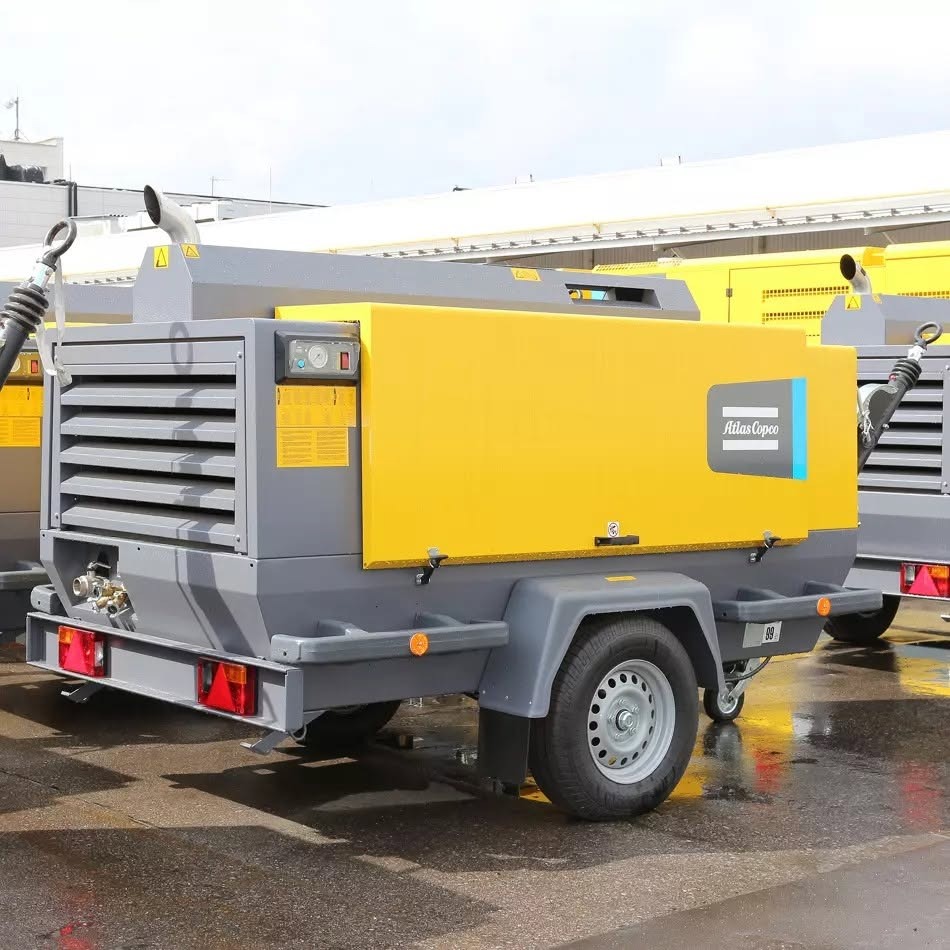
Reliable mobile compressor operation depends on regularly monitoring filter load, oil and separator condition, coolant and temperature, hose connections, leak points, battery and starter performance, daily records and service kit stock. When preventive maintenance routines are managed according to real site conditions, compressor efficiency is protected, fuel consumption becomes more controlled, unplanned downtime decreases and equipment life becomes more sustainable.

Safe Positioning and Nighttime Site Visibility in Lighting Towers
Effective lighting tower planning for night site operations depends on blind spot analysis, pedestrian and vehicle traffic separation, mast angle, glare control, wind and ground stability, noise-sensitive solutions, energy scenario selection and emergency area lighting. When lighting towers are positioned according to real site movement, visibility risks decrease, traffic safety improves, environmental impact is controlled and night operations become more sustainable.

Correct Timing, Water Management, and Blade Life in Joint Cutting
Effective joint cutting depends on managing shrinkage crack control, wet cutting, dust suppression, blade segment wear, cutting speed, cooling performance, straight line preparation and blade storage conditions together. When timing, water flow, surface preparation and blade management are planned correctly, random cracks decrease, cutting lines remain more stable, blade life improves and rework costs become more controllable.